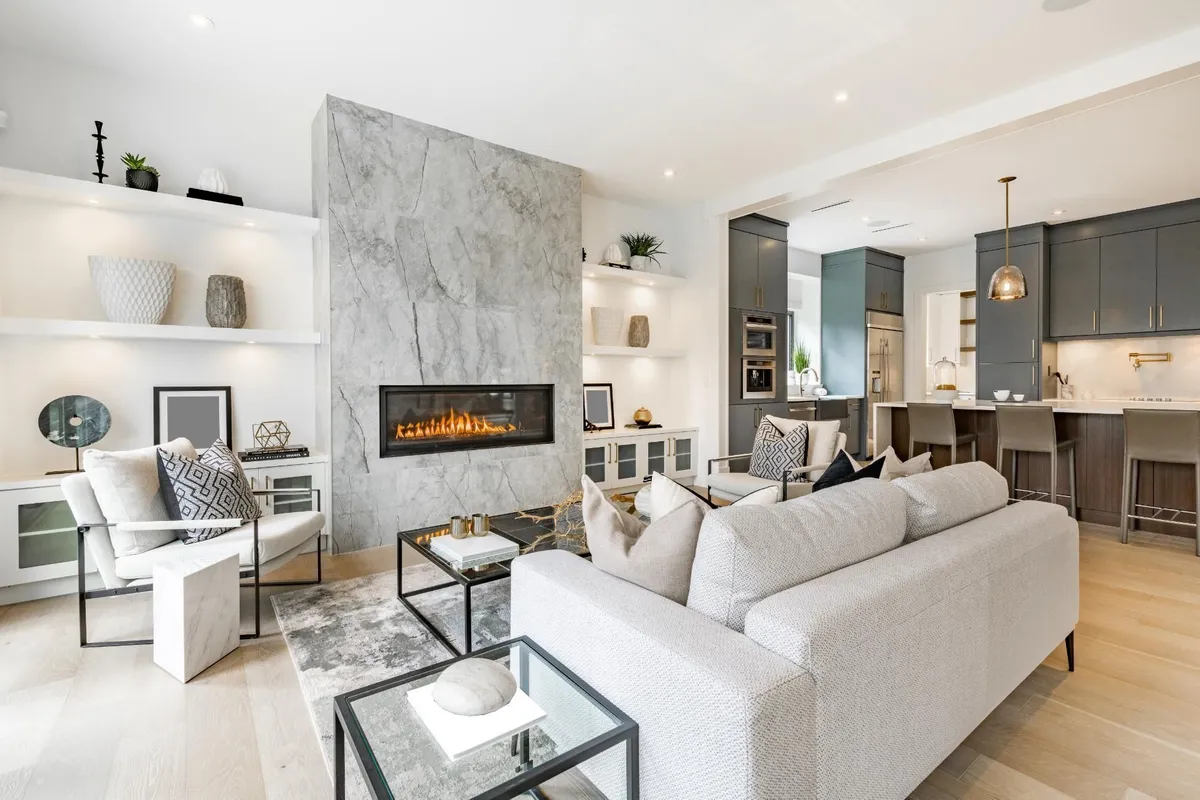
Home decoration design is more than just arranging furniture or selecting colors; it is the art of fabricating an income space that demonstrates personal style, enhances comfort, and maximizes functionality. In modern living, where people spend more time at home than in the past, benefit of innovative and innovative home decoration design has exploded exponentially. From small apartments to large family homes, the way a location is designed can influence mood, productivity, and overall well-being.
One of the primary components of home decoration design is the innovative selection of color schemes. Colors set the tone for a room, bring to mind emotions, and create visual harmony 居屋裝修公司 . Natural shades such as whites, beiges, and grays provide a calming history that can make spaces appear larger and lighter, while bold colors like deep blues, rich greens, or vibrant reds add personality and energy to a room. Skilled use of accent walls, contributory colors, and contrasting tones can transform an ordinary space into a successfully stimulating environment that balances comfort with aesthetic appeal.
Furniture placement plays an important role in effective home decoration design. Properly arranged furniture can improve the flow of movement, enhance functionality, and create specific zones within a room for specific activities. For instance, positioning sitting around a central coffee table fosters social interaction in a living room, while arranging a reading space with a cozy chair and proper lighting encourages relaxation. In smaller spaces, multifunctional furniture such as collapsible tables, lounge beds, or modular shelving can maximize usability without overcrowding, making design both practical and stylish.
Lighting is another vital part of home decoration design. The right lighting can dramatically alter the perception of a space, highlight industrial features, and create atmosphere. Natural light enhances mood and makes rooms feel open and inviting. For artificial lighting, layering background, task, and accent lighting allows homeowners to adapt the surroundings to different activities. Chandeliers, lamps, pendant lights, and wall sconces not only illumine but also serve as decorative statements, adding to the overall design theme.
Textures and materials add depth and tactile interest to home decoration design. Mixing fabrics, wood, metal, stone, and glass can create contrast and visual conspiracy. For example, partnering a soft velvet lounge with a sleek marbled coffee table or incorporating a natural jute brown area rug into a finished wood floor floor can balance warmth and complexity. Textures help create a multi-sensory experience that makes a home feel inviting and complete.
Decorative elements and accessories are very important finishing details in home decoration design. Items such as artwork, throw pillows, carpets, accent pieces, and magnifying mirrors contribute personality and cohesion to a room. These elements allow homeowners to express personal tastes, cultural influences, or thematic motifs. Magnifying mirrors, for instance, can enhance natural light and give the illusion of more space, while art pieces and decorative objects reflect identity and create things that draw a person’s eye.
Incorporating plants and greenery is a growing trend in home decoration design. Indoor plants not only improve air quality but also introduce a natural element that softens rooms and adds life to a space. From small succulents on a ledge to large statement plants in corners, greenery complements modern appearance while encouraging an awareness of calm and connection to nature. Combining plant placement with proper lighting and contributory decor enhances the overall look and comfort of the home.
Home decoration design also highlights benefit of personal style. Every individual or family has unique tastes, which will be resembled in the design of living spaces. Some may prefer minimalistic appearance with clean lines and moderate colors, while others enjoy eclectic styles with layered patterns, bold colors, and diverse textures. The ability to integrate personal preferences with practical design solutions ensures that homes are not only successfully appealing but also comfortable and functional for daily life.
Storage solutions are integral to home decoration design, ensuring that a location remains organized and clutter-free. Creative storage options such as built-in cabinets, under-bed storage, sailing shelves, and multi-functional furniture can enhance both usability and appearance. A well-organized home feels more large, peaceful, and inviting, and storage solutions that blend faultlessly with decor allow homeowners to maintain a tidy environment without compromising style.
Sustainability is becoming an essential consideration in modern home decoration design. Homeowners are increasingly seeking eco-friendly materials, energy-efficient lighting, and sustainable furniture options. Using recycled or renewable materials, incorporating natural fabrics, and selecting energy-saving appliances line-up with environmental consciousness while maintaining design integrity. Sustainable choices not only benefit the planet but also contribute to healthier, more comfortable living environments.
Technology integration is another significant trend in contemporary home decoration design. Smart home devices, automated lighting, climate control systems, and entertainment solutions can be incorporated faultlessly into decor. Proper planning ensures that technology enhances comfort and convenience without disrupting appearance. From very discreet smart speakers to built-in charging areas and automated drapes and window treatments, technology can raise functionality while maintaining stylish rooms.
Creating cohesion and balance is essential in home decoration design. Harmonizing colors, textures, lighting, and furniture helps unify a location and ensures a successfully pleasing environment. Design principles such as proportion, proportion, beat, and emphasis guide the arrangement of elements, creating spaces that feel balanced and deliberate. Cohesion allows individual rooms to work independently while still adding to the overall home aesthetic.
Outdoor spaces are increasingly considered part of home decoration design. Patios, balconies, gardens, and terraces extend living areas and provide opportunities for relaxation and entertainment. Innovative selection of outdoor furniture, planters, lighting, and decorative elements ensures that these spaces complement the interior design and create a seamless changeover between indoor and outdoor environments.
Budget management is also an important area of home decoration design. Effective planning allows homeowners to prioritize essential elements while incorporating cost-effective solutions for decorative details. DIY projects, repurposing furniture, or using second-hand items artistically can do high-impact results without overspending. Strategic budgeting ensures that the home remains stylish, functional, and arranged with financial considerations.
In conclusion, home decoration design is a complex process that combinations functionality, appearance, and personal expression. By considerately considering color schemes, furniture placement, lighting, textures, accessories, and storage solutions, homeowners can create spaces that are both beautiful and practical. Incorporating elements such as greenery, technology, and sustainable materials further enhances modern design, making homes more comfortable, efficient, and green conscious.